
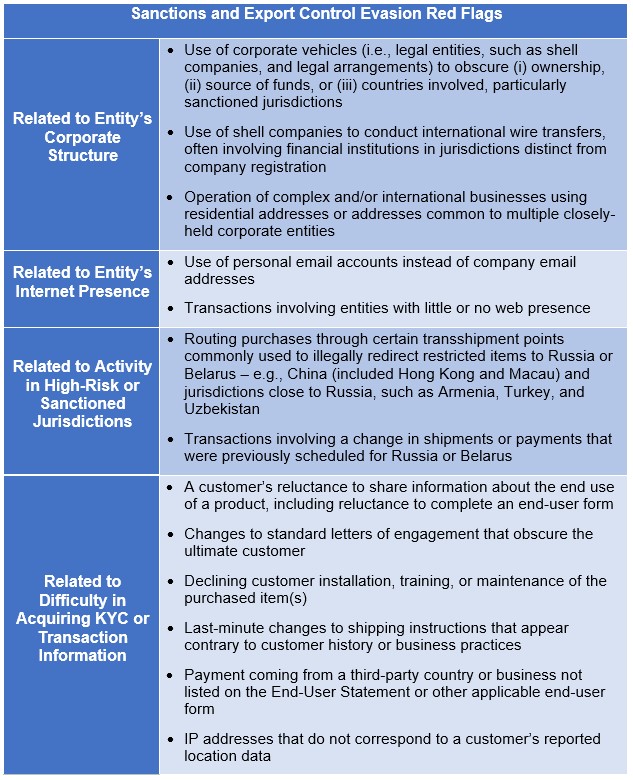
In the complex world of international trade, the significance of Sanctions Compliance & Risk Advisory cannot be overstated. Businesses operating across borders must navigate an intricate web of regulations that govern their operations, especially in regions with heightened geopolitical tensions. Understanding these sanctions and the advisory services available is essential for mitigating risks and ensuring compliance.
What Are Sanctions?
Sanctions are restrictive measures imposed by governments or international organizations to influence the behavior of individuals, organizations, or countries. These measures can take various forms, including trade embargoes, asset freezes, travel bans, and other financial restrictions. The primary purpose of sanctions is to promote foreign policy objectives, uphold national security, and prevent activities considered unlawful, such as terrorism or human rights violations.
The Importance of Sanctions Compliance
Sanctions compliance is critical for businesses engaged in international operations. Non-compliance can lead to severe consequences, including hefty fines, reputational damage, and even criminal charges. The landscape of sanctions is continually evolving, influenced by political dynamics, conflicts, and diplomatic relations. Therefore, companies must adopt a proactive approach to stay informed about the latest sanctions developments that could affect their business activities.
Key Reasons for Sanctions Compliance
- Legal Obligations: Companies are legally required to comply with applicable sanctions laws and regulations. Failure to do so can lead to significant legal repercussions.
- Reputation Management: Maintaining a good reputation is critical for businesses. Involvement in sanctions violations can damage a company’s credibility and deter potential clients and partners.
- Operational Continuity: Ensuring compliance helps businesses avoid disruptions in operations caused by sanctions enforcement actions.
- Risk Mitigation: Understanding the risks associated with sanctions can help companies navigate their operations more effectively and make informed decisions.
Components of a Robust Sanctions Compliance Program
Establishing an effective sanctions compliance program is essential for businesses that operate in challenging regulatory environments. A comprehensive program should include the following components:
1. Risk Assessment
A thorough risk assessment is the cornerstone of any sanctions compliance program. Companies should evaluate their exposure to sanctions risks based on factors such as industry, geography, and customer base. Understanding these risks allows businesses to implement targeted compliance measures tailored to their specific circumstances.
2. Policies and Procedures
Developing clear policies and procedures is vital for ensuring consistent compliance across the organization. These policies should outline the company’s approach to handling sanctions-related issues and define the roles and responsibilities of employees in adhering to sanctions compliance.
3. Training and Awareness
Employee training is essential for fostering a culture of compliance within the organization. Regular training sessions can equip employees with the knowledge they need to identify potential sanctions issues and understand the company’s policies and procedures. Awareness campaigns can also serve to keep compliance at the forefront of employees’ minds.
4. Screening and Monitoring
Businesses should implement robust screening procedures to identify individuals, entities, or jurisdictions subject to sanctions. Continuous monitoring is essential to ensure compliance with changing sanctions lists and to detect any potential violations in real-time.
5. Record Keeping
Maintaining accurate records of sanctions compliance efforts is crucial for demonstrating adherence to regulatory requirements. This documentation can be vital in the event of an audit or investigation.
6. Audit and Review
Regular audits of the sanctions compliance program allow companies to identify areas for improvement and ensure that their policies and procedures remain effective and up-to-date. Reviews should be conducted periodically to assess the program’s effectiveness and to adapt to the evolving sanctions landscape.

The Role of Sanctions Compliance and Risk Advisory Services
Given the complexity and ever-changing nature of sanctions regulations, many businesses turn to sanctions compliance and risk advisory services for guidance. These services typically include:
1. Consultation and Risk Assessment
Risk advisory firms can assist businesses in conducting thorough risk assessments, helping them identify vulnerabilities and devise strategies to mitigate potential sanctions-related risks.
2. Policy Development
Advisory services can support companies in developing tailored sanctions compliance policies and procedures that align with best practices and industry standards.
3. Training Programs
Many advisory firms offer training programs designed to educate employees about sanctions compliance and the specific risks associated with their roles within the organization.
4. Ongoing Monitoring and Support
Sanctions compliance and risk advisory services can provide ongoing monitoring of sanctions developments, helping businesses stay informed and adapt their compliance programs as needed.
Conclusion
In the current geopolitical environment, understanding sanctions compliance and utilizing risk advisory services is more important than ever for businesses engaged in international trade. By establishing robust compliance programs, businesses can not only avoid legal and financial penalties but also enhance their credibility and ensure continuity in their operations. Staying informed, seeking expert guidance, and prioritizing compliance are essential steps for any organization looking to operate successfully in today’s complex regulatory landscape.