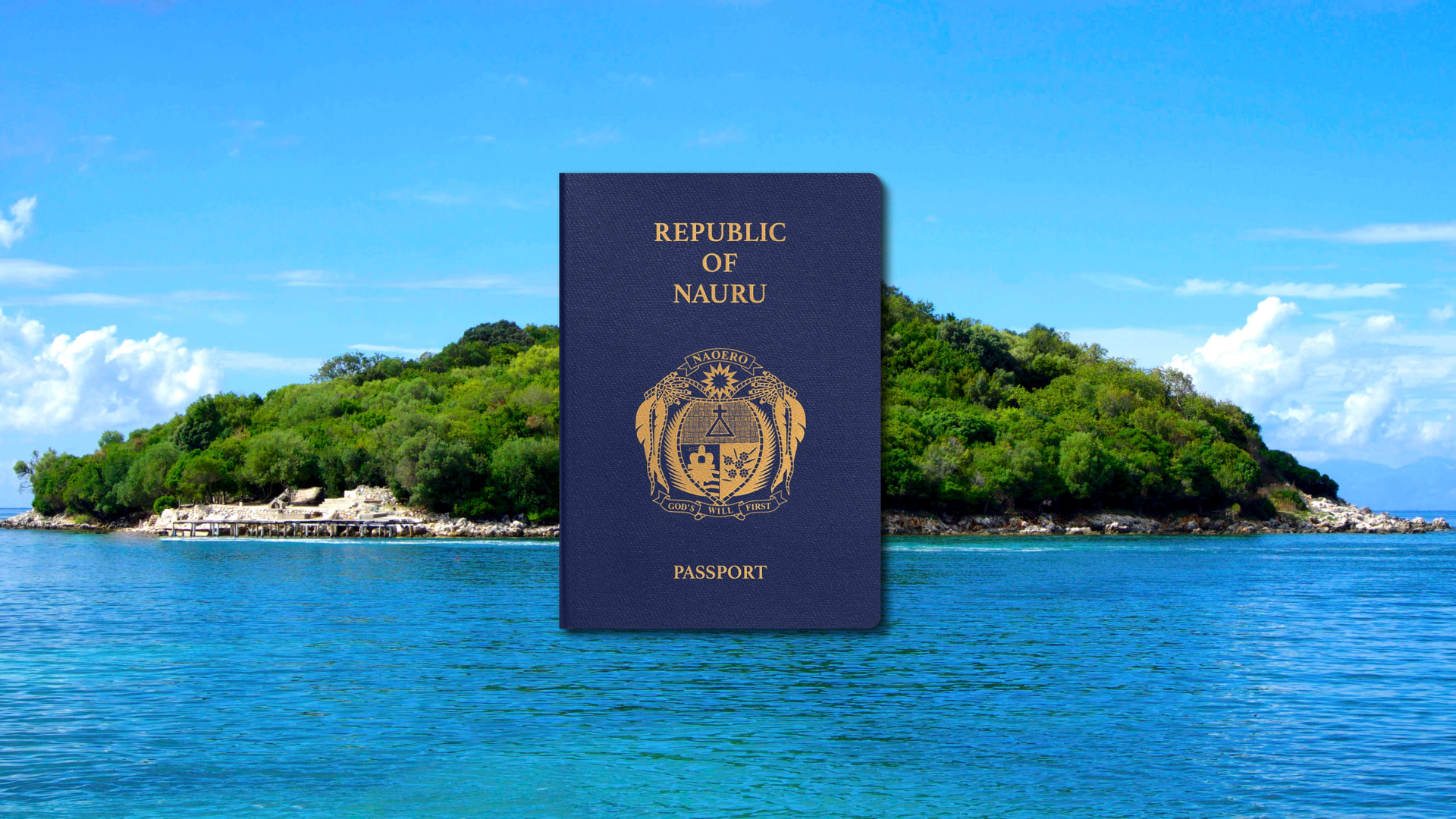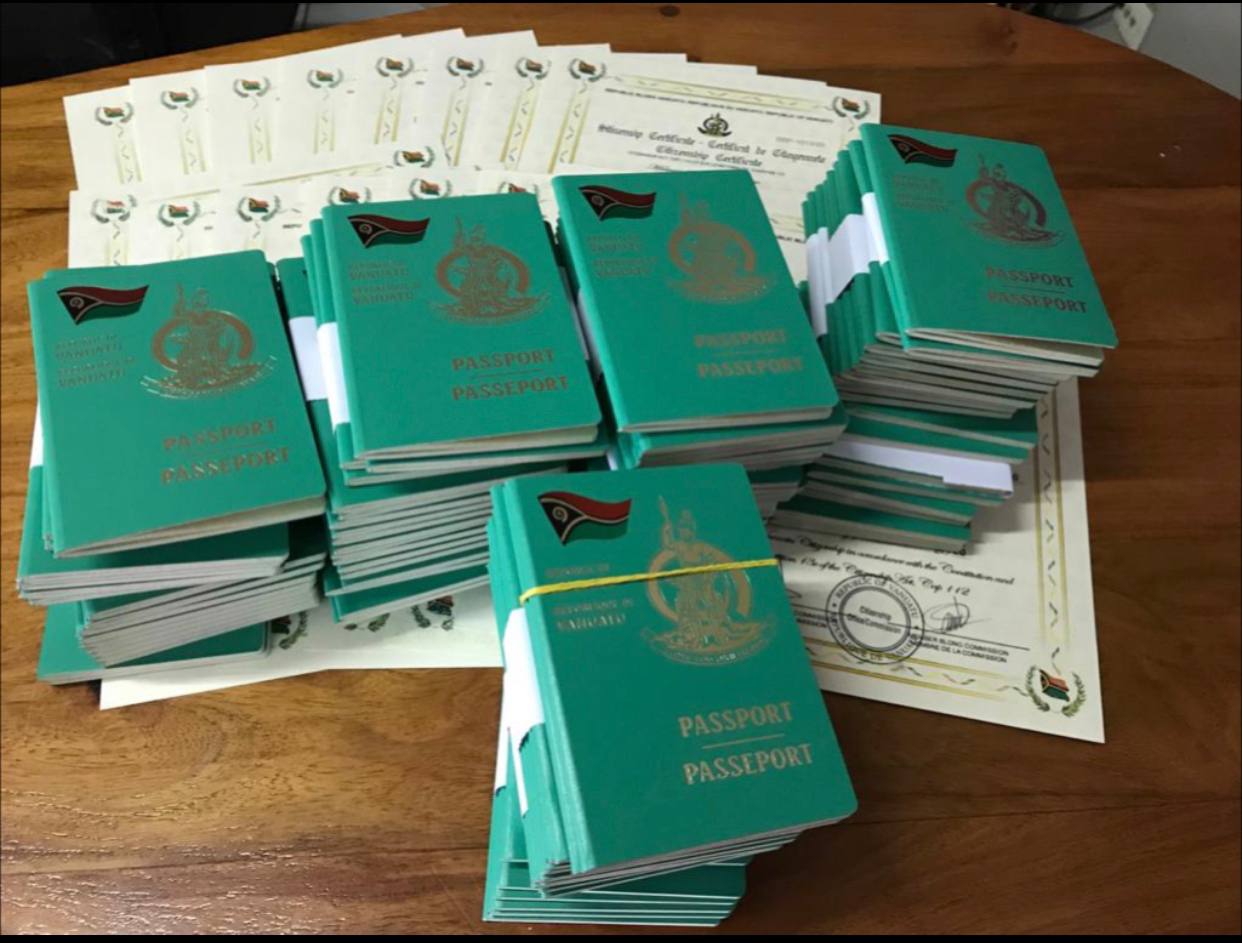
Nauru Passport Unlocking Global Mobility

Nauru Passport for Global Mobility

The Nauru Passport for Global Mobility Nauru Passport plays a pivotal role in enhancing global mobility for its citizens. In today’s interconnected world, the ability to travel freely and efficiently is paramount for personal, economic, and cultural exchange. This article will delve into the significance of the Nauru Passport, the advantages it offers, and the practical steps involved in obtaining one.

The Significance of Global Mobility

Global mobility refers to the ability of individuals to move across borders with ease, whether for tourism, business, education, or other purposes. In an increasingly globalized economy, mobility is essential for fostering international trade, collaboration, and cultural exchange. Governments and organizations are recognizing the importance of facilitating travel and are consequently reforming visa policies to promote easier access to their nations.

Nauru’s Unique Position

Nauru, a small island nation in the Pacific Ocean, boasts a unique position in the global community. While it has its challenges, including geographic isolation and limited resources, Nauru’s strategic diplomacy allows its passport holders to enjoy several benefits in terms of international travel. The Nauru Passport reflects the nation’s commitment to enhancing the global mobility of its citizens, facilitating various travel opportunities.

Benefits of the Nauru Passport

  • Visa-Free Travel: Nauru Passport holders enjoy visa-free or visa-on-arrival access to several countries, making international travel more accessible. This is particularly advantageous for business and tourism.
  • Enhanced Opportunities: With greater mobility, Nauru citizens can pursue education and employment opportunities abroad without being impeded by complex visa processes.
  • Strengthened International Relations: The Nauru Passport serves as a tool for fostering goodwill and strengthening diplomatic relations with other nations.
  • Cultural Exchange: Increased mobility allows for greater cultural exchange, as citizens engage with different cultures, fostering mutual understanding and cooperation.

Obtaining a Nauru Passport

The process of obtaining a Nauru Passport is straightforward but requires adherence to specific guidelines issued by the Nauru government. Below are the essential steps involved:

  1. Eligibility: Applicants must be citizens of Nauru. Therefore, it’s crucial to ensure that your citizenship status is up to date.
  2. Documents Required: You will need to prepare essential documents, including a birth certificate, identification documents, and proof of citizenship. Ensure that these documents are valid and up to date.
  3. Application Process: Applications can typically be submitted to the Nauru Passport Office or relevant governmental authority. This may involve completing an application form and paying applicable fees.
  4. Processing Time: The processing time for a passport can vary, so it is advisable to apply well in advance of any intended travel plans.

Leveraging the Nauru Passport for Travel

To maximize the benefits of the Nauru Passport, it is beneficial for holders to stay informed about the countries they can travel to without a visa or where they can obtain a visa on arrival. Regular updates on visa policies and travel regulations are essential in this regard. Websites of embassies and consulates can provide timely information.

Challenges Faced by Nauru Passport Holders

Despite the advantages, there are challenges that Nauru Passport holders may encounter. Some nations may impose stricter entry requirements or may not recognize the Nauru Passport as a strong travel document compared to passports from larger nations. Additionally, geopolitical issues may affect travel opportunities for Nauru citizens.

Conclusion

The Nauru Passport is more than just a document; it is a gateway to the world for its citizens. It embodies the potential for global mobility, economic opportunity, and cultural exchange. Through strategic international relationships and progressive travel policies, Nauru continues to enhance the prospects of its passport holders. By understanding the value of their passport, citizens can navigate the complexities of international travel and embrace the opportunities that come with it.

Future Prospects

As globalization continues to evolve, the importance of mobility will only increase. Nauru’s government must actively engage in international dialogue to advocate for the interests of its citizens.

This involves negotiating better travel agreements that enhance the mobility of Nauru Passport holders. By doing so, Nauru can ensure that its citizens have access to the global community and all the opportunities that come with it.


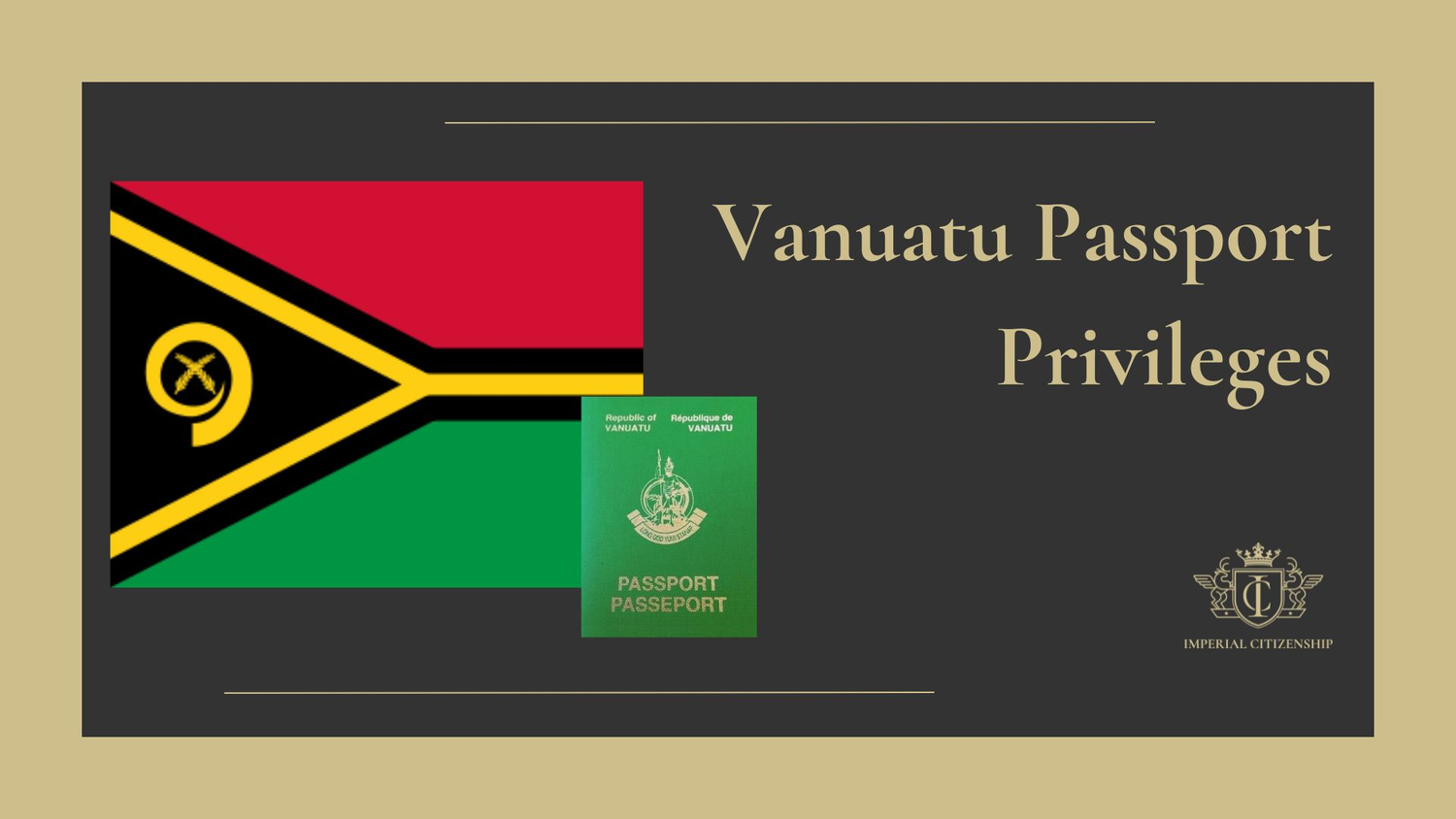
Unlocking Opportunities The Vanuatu Golden Passport Program 947280375

The Vanuatu Golden Passport program offers a unique opportunity for individuals seeking to invest in a stable and beautiful country while gaining citizenship. This program has become increasingly popular due to its straightforward application process and the numerous advantages it provides. For those looking for a second citizenship, the Vanuatu golden passport Vanuatu Golden Passport program could be an ideal choice.

Introduction to Vanuatu

Vanuatu is a stunning archipelago located in the South Pacific Ocean. Known for its breathtaking landscapes, vibrant culture, and welcoming people, Vanuatu is a prime destination for tourists from around the globe. With over 80 islands, each offering unique experiences, Vanuatu has long been regarded as a paradise for nature lovers and adventure seekers alike. In addition to its natural beauty, Vanuatu is politically stable and has a growing economy, making it an attractive option for expatriates and investors.

The Vanuatu Golden Passport Program

The Vanuatu Golden Passport program, officially known as the Vanuatu Citizenship by Investment Program, was introduced in 2017. It allows foreign investors to obtain citizenship in exchange for a financial contribution to the country. This investment can often be made through a donation to a government-established development fund, which supports various initiatives aimed at improving infrastructure, education, and healthcare within the nation.

Investment Options

To qualify for the Vanuatu Golden Passport, applicants must choose one of the following investment routes:

  • Donation to the Development Support Program: The most common method is to make a non-refundable donation to the Vanuatu Development Support Program. The minimum contribution varies depending on the number of applicants and ranges from approximately USD 130,000 for a single applicant to larger amounts for families.
  • Real Estate Investment: Alternatively, applicants can invest in approved real estate projects in Vanuatu. The minimum investment amount starts from approxima

    tely USD 200,000, and this option may appeal to those looking to establish a long-term residence in the country.

Eligibility Criteria

To be eligible for the Vanuatu Golden Passport, applicants must meet certain criteria, including:

  • Be at least 18 years old.
  • Have a clean criminal record and no history of bankruptcy.
  • Pass a thorough due diligence process.
  • Provide proof of the source of funds for the investment.

Benefits of the Vanuatu Golden Passport

Obtaining a Vanuatu passport comes with numerous benefits, making it an attractive choice for many:

  • Visa-Free Travel: Vanuatu passport holders enjoy visa-free or visa-on-arrival access to over 130 countries, including the EU Schengen Area, the UK, and many Asian countries, enhancing global mobility.
  • Fast Processing Time: The application process is notably quick, with most applicants receiving their citizenship in as little as two months, depending on the thoroughness of their documentation.
  • No Residency Requirements: Unlike many other citizenship by investment programs, Vanuatu does not require applicants to reside in the country before or after obtaining citizenship.
  • Low Tax Environment: Vanuatu offers a favorable business environment with no income tax, no capital gains tax, and no estate duty, making it an attractive option for international investors and entrepreneurs.
  • Stable Government: Vanuatu is known for its political stability and safety, providing a secure environment for new citizens and their families.

How to Apply

Applying for the Vanuatu Golden Passport involves several steps:

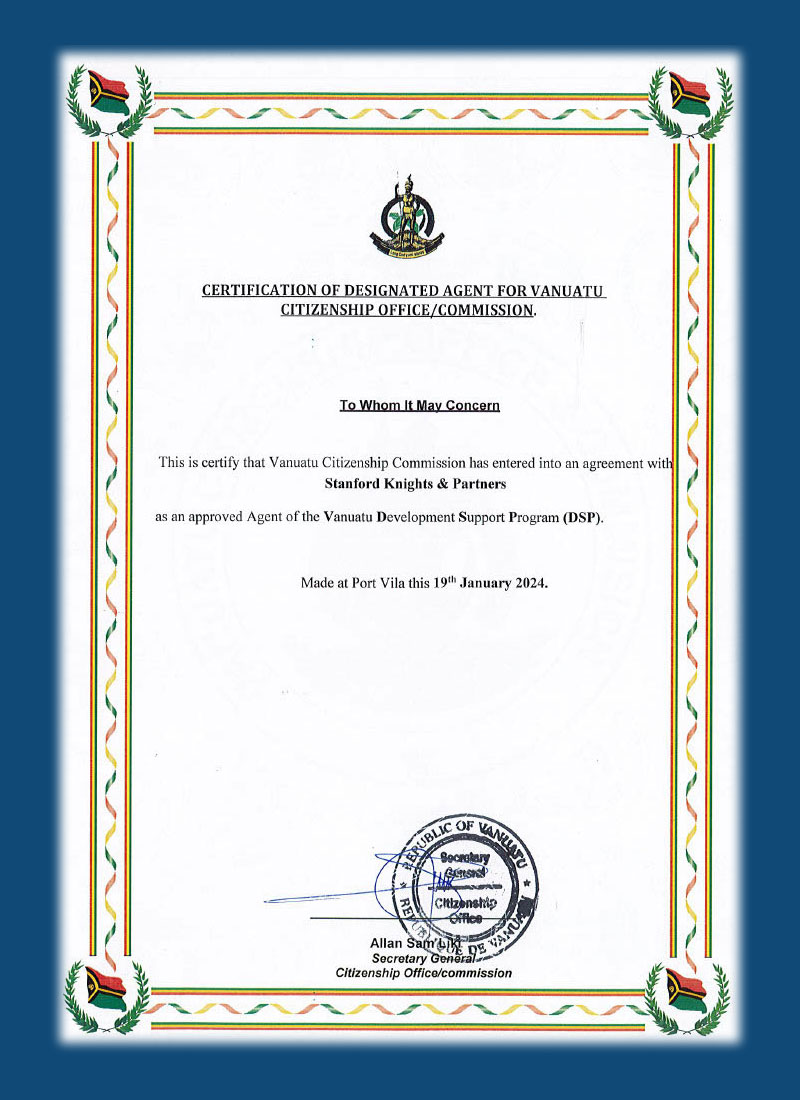
  1. Choose an Authorized Agent: Applicants must work with an authorized agent or firm that is endorsed by the government to assist with the application process.
  2. Prepare Documentation: Gather all necessary documentation, including identification, proof of funds, and any additional forms required by the investment route.
  3. Submit Application: Submit the application along with the required investment and processing fees through the authorized agent.
  4. Engage in Due Diligence: Expect a thorough due diligence review by the government to ensure all eligibility criteria are met.
  5. Receive Citizenship: Upon approval, applicants will receive their citizenship certificate and Vanuatu passport.

Common Misconceptions

As with any investment program, there are common misconceptions surrounding the Vanuatu Golden Passport:

  • High Cost: While the program requires a financial commitment, many view it as a cost-effective solution compared to other citizenship programs.
  • Complexity: Despite initial perceptions, the process is quite streamlined with the help of professional agents.
  • Restrictive to Wealthy Individuals: While the program caters to high-net-worth individuals, it also invites a broader range of investors, enhancing accessibility.

Conclusion

The Vanuatu Golden Passport program represents a unique opportunity for individuals looking to enhance their global mobility, invest in a peaceful and beautiful country, and secure a brighter future for themselves and their families. With its straightforward application process, numerous benefits, and the allure of living in a tropical paradise, it’s no wonder that this program continues to gain popularity among investors worldwide. Consider exploring the Vanuatu Golden Passport as the gateway to new opportunities and experiences.

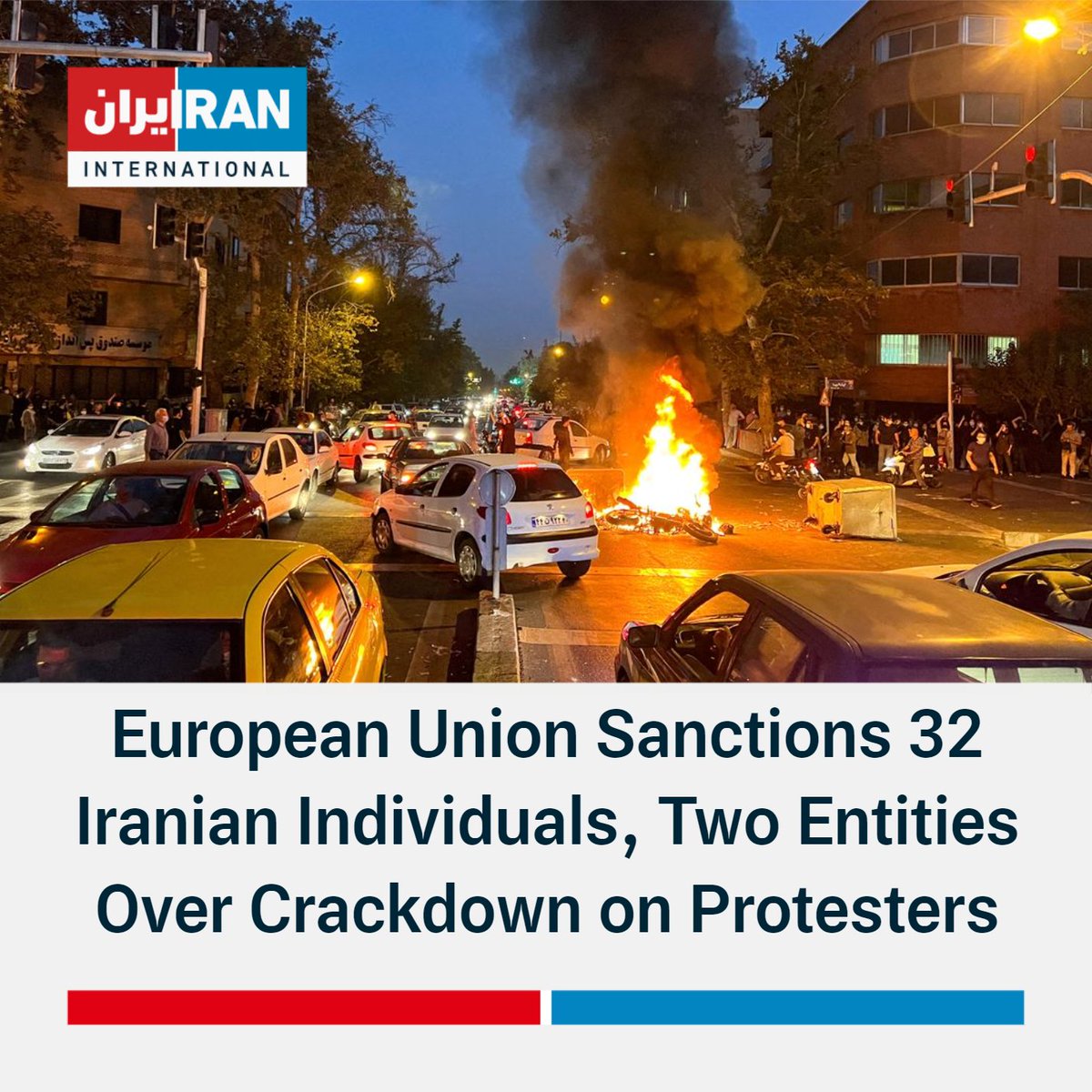
Understanding Asset Freezes and Human Rights Sanctions 948202500

Understanding Asset Freezes and Human Rights Sanctions

Asset freezes and sanctions have become crucial tools in the international community’s efforts to combat human rights violations and promote justice. Though often used as mechanisms of foreign policy, they have significant implications for individuals and communities, especially when it comes to holding violators accountable. In this context, the connection between Asset Freezes & Sanctions Human Rights Violations and the principles of justice and human rights cannot be overstated. This article aims to delve into the complexities of asset freezes and sanctions, examining their role in the broader human rights landscape.

The Rationale Behind Asset Freezes and Sanctions

Asset freezes and sanctions are primarily instituted to exert pressure on regimes and individuals responsible for grave human rights abuses. They serve multiple purposes:

  • Accountability: By targeting the financial interests of perpetrators, these measures aim to hold them accountable for their actions.
  • Deterrence: The threat of sanctions may deter potential violators from committing abuses.
  • International Solidarity: Sanctions signal to the international community’s condemnation of specific actions, strengthening collective action against human rights violations.

Legal Frameworks Governing Sanctions

The implementation of asset freezes and sanctions involves several legal frameworks. These frameworks can vary widely depending on the jurisdiction, political context, and specific violations being addressed. Generally, the process involves:

  1. Identification of targeted individuals or entities, often based on credible evidence of human rights abuses.
  2. Issuance of sanctions by national governments or international bodies, such as the United Nations or the European Union.
  3. Monitoring and enforcement mechanisms, which are crucial to ensure compliance and effectiveness of the sanctions.

Case Studies: When Asset Freezes Proved Effective

Several case studies illustrate the power of asset freezes and sanctions in promoting human rights:

The Case of South Africa

During the apartheid era, the international community imposed sanctions against South Africa, including asset freezes on individuals affiliated with the apartheid regime. These measures contributed to the regime’s eventual collapse and the transition to a democratic system, highlighting the effectiveness of coordinated sanctions in promoting human rights.

Recent Developments in Myanmar

In response to the military coup in Myanmar in 2021, various nations imposed sanctions on the junta leaders and associated entities. These measures aimed to undermine the military’s financial capabilities, signaling international disapproval of human rights abuses unfolding in the country.

The Challenges of Implementing Sanctions

Despite their potential effectiveness, the implementation of asset freezes and sanctions faces numerous challenges:

  1. Enforcement Difficulties: Ensuring compliance with sanctions can be tricky, especially when dealing with complex financial networks.
  2. Humanitarian Impact: While designed to target perpetrators, sanctions can inadvertently affect the broader population, leading to humanitarian crises.
  3. Legal and Ethical Concerns: Sanctions must be carefully crafted to avoid violations of international law, including principles of proportionality and necessity.

Future Directions for Asset Freezes and Sanctions

The future of asset freezes and sanctions in the realm of human rights will likely be shaped by several key trends:

  • Increased Coordination: Greater collaboration among nations and international organizations may enhance the effectiveness of sanctions.
  • Focus on Humanitarian Exemptions: Crafting sanctions with built-in humanitarian exemptions could mitigate unintended suffering among civilian populations.
  • Utilization of Targeted Sanctions: Moving toward more targeted sanctions can minimize collateral damage while still holding perpetrators accountable.

Conclusion

Asset freezes and sanctions represent critical tools in the ongoing struggle for human rights and justice on a global scale. While they face significant challenges, the potential for positive outcomes remains. By evolving in response to past mistakes and learning from successful case studies, the international community can enhance the impact of these measures. Ultimately, the goal remains the same: to promote accountability, deter future violations, and safeguard the rights and dignity of individuals worldwide.

Understanding Secondary Sanctions Implications and Strategies

Understanding Secondary Sanctions: Implications and Strategies

In an increasingly interconnected world, the application of Secondary Sanctions has emerged as a critical tool for governments striving to enforce their foreign policy objectives. Unlike primary sanctions, which directly target the entities of a specific country, secondary sanctions aim to discourage third parties from doing business with sanctioned nations. This article delves into the intricacies of secondary sanctions, their implications for global trade, and strategic responses for businesses to navigate these challenges.

The Concept of Secondary Sanctions

Secondary sanctions are measures imposed by a country that penalize foreign individuals or entities for engaging in specified business activities with a sanctioned nation or its affiliates. The core aim is to extend the reach of a country’s sanctions regime beyond its borders, thereby increasing its leverage over other nations and private sectors globally. By imposing consequences on third-party countries or companies, the sanctioning nation seeks to isolate the target country economically and politically.

Historical Context

The practice of imposing secondary sanctions gained prominence in the late 20th century, particularly in the context of U.S. foreign policy. The U.S. has utilized secondary sanctions in numerous instances, most notably against Iran, North Korea, and Russia. For example, the re-imposition of secondary sanctions on Iran after the U.S. withdrawal from the Joint Comprehensive Plan of Action (JCPOA) in 2018 led to widespread ramifications for businesses worldwide that had engaged with Iranian entities.

Implications for International Trade

The imposition of secondary sanctions can have profound implications for international trade. Businesses that operate in the global market must navigate a complex landscape of compliance and risk management. The threat of secondary sanctions often leads companies to reconsider their business relationships with sanctioned entities, even if those relationships are essential to their operations. This can result in:

  • Increased Compliance Costs: Companies may need to invest resources in compliance programs to ensure they do not inadvertently engage with sanctioned entities.
  • Market Exit: Some firms may choose to withdraw from certain markets altogether to mitigate the risk of secondary sanctions.
  • Changes in Supply Chains: Firms may seek to alter their supply chains to avoid exposure to secondary sanctions, which can lead to increased costs and logistical challenges.

Major Examples of Secondary Sanctions

Understanding the enforcement of secondary sanctions is crucial for businesses. Key examples include:

1. U.S. Sanctions on Iran

Following the U.S. exit from the JCPOA, the reinstatement of secondary sanctions targeted not only Iranian entities but also international companies and financial institutions that continued to work with Iran. This included sanctions against European firms and banks, which were forced to choose between maintaining ties with the United States or engaging with Iranian markets.

2. North Korea Sanctions

The U.S. has employed secondary sanctions against countries and companies that continue to trade with North Korea to curb its nuclear program. These sanctions have aimed not only at North Korean entities but also at third-party nations engaging in trade with them, designed to raise the stakes for non-compliance.

3. Sanctions on Russia

In the context of geopolitical conflicts, such as the situation in Ukraine, Western nations have imposed secondary sanctions on Russian businesses and individuals. These actions have prompted companies around the globe to reconsider their dealings with Russian entities.

Risk Mitigation Strategies for Businesses

Given the stakes involved with secondary sanctions, businesses can adopt several strategies to mitigate risks:

  • Enhanced Due Diligence: Implement robust due diligence measures to assess third-party transactions and relationships thoroughly.
  • Compliance Training: Regular training sessions for employees on sanctions compliance can help minimize inadvertent violations.
  • Legal Consultation: Engaging with legal experts specializing in sanctions can provide invaluable guidance on navigating complex regulations.
  • Monitoring Changes in Legislation: Staying informed about changes in sanctions laws and regulations is critical for proactive compliance.

The Future of Secondary Sanctions

As the geopolitical landscape continues to evolve, the use of secondary sanctions is expected to remain a prominent feature of international relations. Countries may increasingly leverage these tools to further their national interests, leading to more complex compliance environments for businesses. The ability to swiftly adapt to these changes will be crucial for companies aiming to thrive in the global marketplace.

Conclusion

Secondary sanctions represent a significant and often challenging aspect of modern international trade laws. Their implications extend far beyond the targeted nations, impacting businesses and economies worldwide. As firms navigate these challenges, understanding the rationale behind secondary sanctions, their historical context, and effective compliance strategies will be essential. By staying informed and proactive, companies can better position themselves to minimize risks associated with these sanctions while effectively operating in a globalized economy.

Sao Tome Citizenship for Families Unlocking New Opportunities

Sao Tome Citizenship for Families: Unlocking New Opportunities

In an increasingly interconnected world, families are often looking for pathways to enhance their lifestyle, secure better opportunities, and provide a brighter future for their children. One such option that has gained traction is Sao Tome Citizenship for Families. This program not only offers a second passport but also opens doors to a wealth of advantages, both immediate and long-term. This article delves into the nuances of obtaining Sao Tome citizenship, the benefits it offers families, and a step-by-step guide to the application process.

Understanding Sao Tome and Principe: A Brief Overview

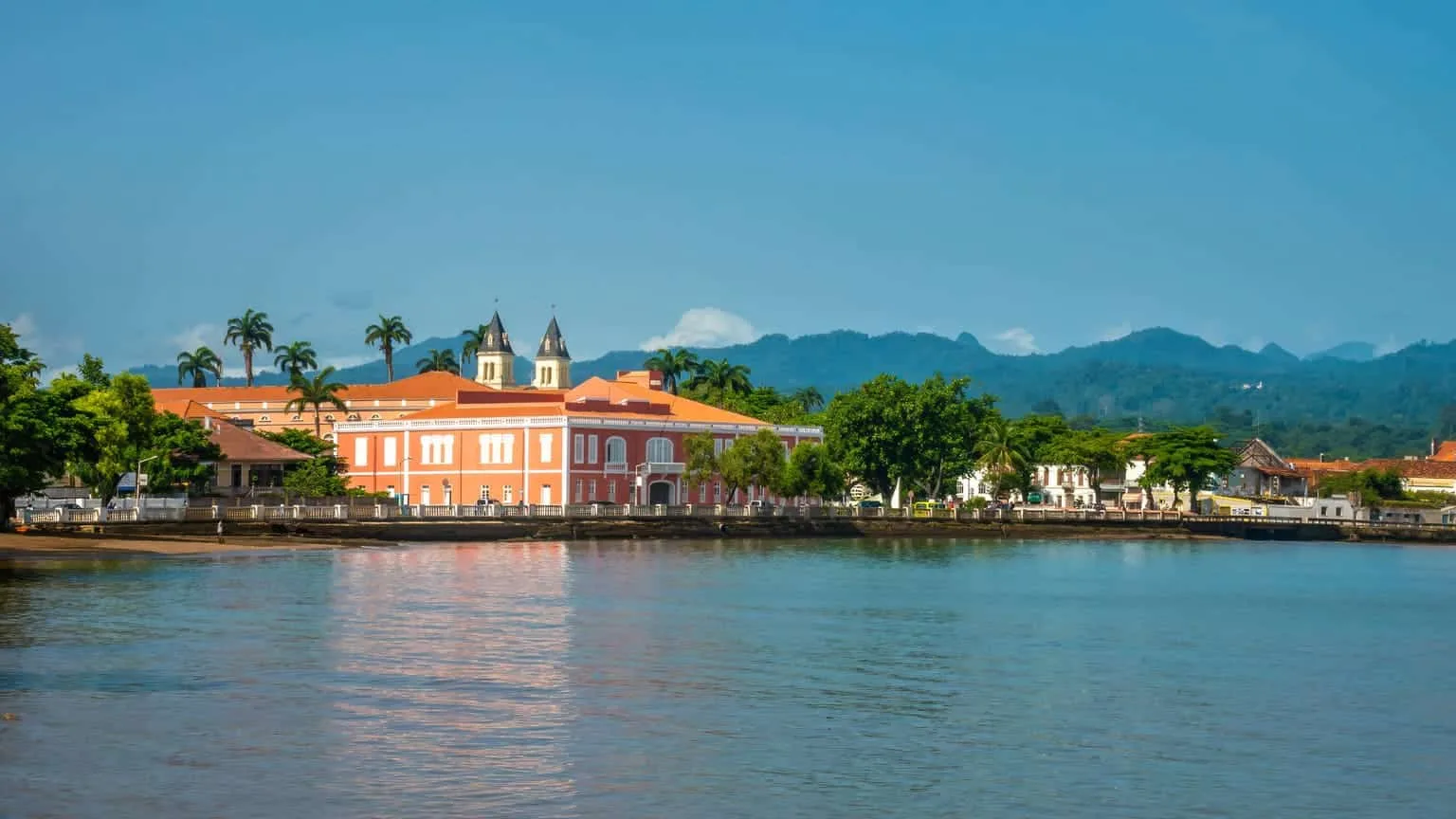
Sao Tome and Principe, an archipelago situated in the Gulf of Guinea, is known for its breathtaking landscapes, rich biodiversity, and vibrant culture. The country has made significant strides toward developing its economy, particularly through tourism, agriculture, and fisheries. As a member of the Economic Community of Central African States, Sao Tome offers a politically stable environment, which is crucial for families considering relocation.

Why Choose Sao Tome Citizenship for Your Family?

For families, obtaining citizenship in a new country can fundamentally change their lives. Here are several compelling reasons to consider Sao Tome citizenship:

  • Visa-Free Travel: One of the most immediate benefits of receiving a Sao Tome passport is the ability to travel visa-free or with a visa-on-arrival to numerous countries, including the Schengen Area. This ease of travel can greatly enhance your family’s ability to explore new cultures and opportunities.
  • Investment Opportunities: Sao Tome citizenship is tied to investment in the country. This opens up avenues for families to invest in the local economy, whether it’s through real estate, businesses, or tourism. Such investments can yield significant returns.
  • Educational Advantages: The quality of education can vary greatly around the world. With a second passport, your children may have access to diverse educational opportunities that enhance their learning experience and broaden their horizons.
  • Healthcare Accessibility: Families moving to Sao Tome can benefit from the local healthcare system, which has been improving in recent years. Citizenship may provide more seamless access to health services.
  • Safe Environment: Sao Tome is known for its welcoming and safe environment. This characteristic is particularly appealing to families seeking a better quality of life.

Eligibility Criteria for Sao Tome Citizenship

To secure Sao Tome citizenship for your family, certain eligibility criteria must be met. While the specific requirements can vary, common stipulations include:

  • Having a clear criminal record.
  • Proving the ability to make the required investment in the country.
  • Providing documentation showing family relationships, such as birth certificates and marriage licenses.
  • Meeting health requirements, which may include medical examinations.

Investment Options for Citizenship

The process of obtaining Sao Tome citizenship typically involves a financial commitment. Here are some investment options available to families:

  • Real Estate Investment: Families can invest in approved real estate properties. This option not only contributes to citizenship but can also serve as an investment for future financial security.
  • Business Development: By establishing a business in Sao Tome, families can generate income and contribute to the local economy while also meeting citizenship requirements.
  • Donation to the Government: This option involves making a non-refundable contribution to a government fund, which is typically used for community development and infrastructure projects.

The Application Process

The application process for Sao Tome citizenship can seem daunting, but with proper guidance, it can be streamlined. Here’s an overview of the steps involved:

  1. Initial Consultation: Many families begin with an initial consultation with an experienced immigration advisor who specializes in Sao Tome citizenship.
  2. Gathering Required Documentation: Collect necessary documentation, including identification, proof of investment, and certificates proving family relationships.
  3. Investment Execution: Complete the chosen investment method, whether it be real estate purchase, business establishment, or making a government donation.
  4. Application Submission: Submit the completed application along with all required documents and evidence of investment.
  5. Approval and Passport Issuance: Once approved, the government will issue Sao Tome passports for you and your eligible family members.

Post-Citizenship Benefits

After obtaining Sao Tome citizenship, your family can enjoy several ongoing benefits:

  • Preferential Tax Structures: Sao Tome offers favorable tax conditions to its citizens, which can be advantageous for families looking to maintain a higher disposable income.
  • Access to Local Services: Citizenship grants you access to local services and programs, enhancing your family’s integration and quality of life in Sao Tome.
  • National Identity: As citizens, family members can develop a strong sense of belonging and community in Sao Tome, fostering personal and social growth.

Conclusion

In summary, the path to obtaining Sao Tome citizenship for families is not just about acquiring a second passport; it’s about embracing a new lifestyle rich with opportunities. The combination of visa-free travel, investment prospects, and enhanced quality of life makes Sao Tome an attractive option for families seeking a fresh start. With the right guidance and planning, embarking on this journey can lead to a brighter and more promising future for all family members.

Understanding the Vanuatu DSP Program A Gateway to Citizenship

The Vanuatu Development Support Program (DSP) offers a unique opportunity for individuals looking to obtain citizenship in the beautiful island nation of Vanuatu. This program is part of the country’s Citizenship by Investment (CBI) initiative, which allows foreign investors to contribute to Vanuatu’s development while gaining a second passport. For more information on the broader context of the Vanuatu CBI, visit Vanuatu DSP Program Vanuatu CBI.

What is the Vanuatu DSP Program?

The Vanuatu DSP Program was established to attract foreign investment to the country while offering a clear pathway to citizenship for those who contribute. By investing in government-approved projects that aim to improve Vanuatu’s infrastructure, education, and healthcare, applicants can obtain citizenship and enjoy the myriad benefits that come with it. This program aligns with Vanuatu’s efforts to promote sustainable development and economic growth.

Benefits of the Vanuatu DSP Program

Participating in the Vanuatu DSP Program offers numerous advantages, making it an attractive option for individuals seeking global mobility, a better business environment, or a serene lifestyle. Some key benefits include:

  • Visa-Free Travel: A Vanuatu passport enables visa-free or visa-on-arrival access to over 130 countries, including the EU Schengen Area, the UK, and Singapore. This allows for easier travel for business or leisure.
  • Dual Citizenship: Vanuatu recognizes dual citizenship, meaning investors can retain their current nationality while enjoying the benefits of Vanuatu citizenship.
  • Quality of Life: Vanuatu is known for its stunning natural beauty, friendly locals, and a relaxed lifestyle. It offers a peaceful environment, which is a significant pull factor for expatriates and investors alike.
  • Tax Benefits: Vanuatu has a minimal tax regime, with no income tax, capital gains tax, or inheritance tax. This offers significant financial advantages for investors.

Eligibility Requirements

The Vanuatu DSP Program is designed to be accessible, but there are specific requirements that applicants must meet:

  • Age: Applicants must be at least 18 years old.
  • Investment Amount: The program requires a minimum investment, which can vary depending on the chosen development project. Applicants should check the latest figures to ensure compliance.
  • Clean Criminal Record: A clear criminal background is essential. Applicants must provide documentation proving their legal standing.
  • Health Requirements: A medical examination may be required to ensure the applicant meets health standards set by the Vanuatu government.

Application Process

The Vanuatu DSP Program features a streamlined application process to ensure swift turnaround times for potential citizens. The following steps are generally involved:

  1. Consultation: Potential applicants are encouraged to consult with a licensed agent or a legal advisor specializing in Vanuatu CBI.
  2. Submission of Documents: Applicants must prepare and submit all required documentation, including proof of investment, identity verification, and health checks.
  3. Government Review: The Vanuatu government will review the application, which involves background checks and verification of the submitted documentation.
  4. Approval and Investment: Upon approval, the applicant is required to complete the necessary investment. Once completed, citizenship will be granted.

Investment Options

Applicants to the Vanuatu DSP Program have several investment options. These can include contributions to public infrastructure, healthcare initiatives, or educational projects aimed at improving the living standards in Vanuatu. The specific projects can vary, and it’s crucial for investors to choose projects that are government-approved and align with their personal goals.

Conclusion

The Vanuatu Development Support Program presents a robust opportunity for individuals seeking a sanctuary and a fresh start in one of the world’s most idyllic locations. Besides the allure of a beautiful lifestyle, the program offers practical benefits such as enhanced global mobility, favorable tax conditions, and the ability to invest in sustainable development solutions in the region. With its accessible application process and wide-ranging benefits, those considering a future in Vanuatu should explore this fantastic opportunity.

Sao Tome Passport Your Gateway to Travel

The Sao Tome Passport: Enhancing Your Travel Experience

The Sao Tome passport Sao Tome Passport is more than just a travel document; it represents an opportunity to explore the world with ease and security. As the global landscape becomes increasingly interconnected, having the right passport can make a significant difference in your travel experience. In this article, we will delve into various aspects of the Sao Tome passport, including its benefits, application process, and how it stands in comparison to other passports.

Understanding the Sao Tome Passport

The Sao Tome passport is issued by the government of São Tomé and Príncipe, an island nation located in the Gulf of Guinea, off the western coast of Central Africa. Despite its small size, the country has a lot to offer, both in terms of natural beauty and cultural richness. The passport is designed not only for the citizens of São Tomé and Príncipe but also serves as a vital tool for enhancing international mobility.

Benefits of the Sao Tome Passport

One of the significant benefits of holding a Sao Tome passport is the visa-free access to numerous countries around the globe. This can vary depending on diplomatic relations, but many Sao Tome citizens enjoy the privilege of traveling to several countries in Africa, Asia, and parts of Europe without the need for a visa. This ease of travel makes the Sao Tome passport an appealing option for citizens who wish to explore distant lands.

Application Process

Applying for a Sao Tome passport is a straightforward process. The first step typically involves gathering necessary documents, which may include:

  • Proof of identity (such as a national ID card or birth certificate)
  • Passport photographs
  • A completed application form
  • Payment for the application fee

Once all documents are collected, applicants must submit their application to the appropriate government office, often the Ministry of Foreign Affairs or a local embassy or consulate. Processing times may vary, but it’s advisable to apply well in advance of any planned travel to avoid delays.

Costs Associated with the Sao Tome Passport

The cost of obtaining a Sao Tome passport can vary based on several factors, including the applicant’s age and the type of passport being requested (standard versus expedited). It’s important to check with the relevant authorities for the latest fees and payment methods. Budgeting for this expense is an essential part of the application process.

Comparing the Sao Tome Passport with Other Passports

When comparing the Sao Tome passport with other national passports, it’s essential to consider factors such as visa-free access, global recognition, and the reputation of the issuing country. While the Sao Tome passport may not have the same level of recognition as passports from larger nations, it still provides significant travel freedom and reflects the rich cultural heritage of São Tomé and Príncipe.

For individuals who hold the Sao Tome passport, the main advantage lies in the ability to travel freely within certain regions, particularly in West Africa and the Caribbean. However, further travels to countries in Europe or North America may still require obtaining a visa in advance.

Traveling with a Sao Tome Passport

Traveling with a Sao Tome passport can be an exciting adventure. As travelers set out to explore the world, it is important to remember that different countries have varying entry requirements. It’s always advisable to check the visa requirements for your destination well in advance of your planned trip. Carrying a Sao Tome passport opens up numerous possibilities, but being informed and prepared is key to ensuring a smooth travel experience.

Future of the Sao Tome Passport

The future of the Sao Tome passport is closely tied to the country’s diplomatic relationships and its development strategy. As São Tomé and Príncipe continues to build its international presence, the opportunities for its citizens to travel abroad are likely to expand. Investments in tourism, trade, and international partnerships are essential in this regard, as they contribute to increased recognition of the Sao Tome passport worldwide.

Conclusion

In conclusion, the Sao Tome passport is a valuable asset for those who wish to explore the globe. With its benefits of visa-free travel, a straightforward application process, and the cultural significance it carries, this passport serves as an important tool for its holders. As São Tomé and Príncipe continues to thrive in the global arena, its passport will likely open more doors for its citizens in the future. Embracing this journey of discovery through travel can lead to enriching experiences, fostering connections that span across borders.

Nauru Citizenship for Investors A Gateway to New Opportunities

Nauru Citizenship by Investment (CBI) offers a unique opportunity for high-net-worth individuals seeking to obtain citizenship in a tropical paradise. This program allows investors to gain citizenship in Nauru through a financial contribution to the country’s development, making it an attractive option for those looking for global mobility and investment prospects. For more information on how to apply and benefits, visit Nauru Citizenship for Investors Nauru CBI.

Understanding Nauru’s Citizenship by Investment Program

Nauru, a small island nation in the Pacific Ocean, has been gaining attention for its Citizenship by Investment program. As more individuals seek alternative citizenship options, Nauru’s program stands out due to its straightforward process and beneficial terms for investors. Citizenship provides several advantages, including access to various international markets, tax benefits, and the opportunity to reside in a peaceful, idyllic environment.

The Benefits of Nauru Citizenship

Investing in Nauru comes with a multitude of benefits that make the CBI program particularly attractive:

  • Visa-Free Travel: Nauru citizens enjoy the privilege of visa-free or visa-on-arrival access to numerous countries worldwide, including the European Union Schengen Zone.
  • Tax Incentives: Nauru has no income tax, which can be a significant advantage for investors looking to maximize their earnings without the burden of high taxation.
  • Stable Political Environment: Nauru is known for its political stability, ensuring a safe environment for its citizens and their investments.
  • Global Mobility: Citizenship opens doors to living, working, and studying in various countries, providing a pathway to a more global lifestyle.

Eligibility Criteria for Investors

To apply for Nauru’s Citizenship by Investment program, applicants must meet certain eligibility criteria:

  • Applicants must be at least 18 years old.
  • They must have a clean criminal record.
  • Financially capable of making the required investment, which can vary based on the chosen option.
  • Provide all necessary documentation proving their investment and background.

Investment Options

The Nauru Citizenship program provides several investment avenues, allowing investors to choose based on their preferences:

  • Real Estate Investment: Investors can purchase property in designated areas, contributing to the local economy while securing their citizenship.
  • Government Bonds: Another route is investing in government-issued bonds, providing a secure option while obtaining citizenship.
  • Donation to National Development Fund: Making a direct contribution to Nauru’s development initiatives is another viable option for aspiring citizens.

The Application Process

The application process for Nauru Citizenship by Investment is designed to be efficient and straightforward, with several key steps:

  1. Choose an Investment Option: Select the preferred investment route, whether it be real estate, bonds, or donation.
  2. Prepare Documentation: Gather all necessary documents, such as passports, financial statements, and any required legal paperwork.
  3. Submit Application: Complete the application form and submit it along with the investment amount and documentation.
  4. Background Check: Undergo a thorough background check conducted by the Nauru government.
  5. Receive Approval: Upon approval, the applicant will receive their citizenship certificate.

Why Choose Nauru for Citizenship?

Nauru is an enticing option for those looking to obtain a second citizenship for investment purposes. With its low cost of living and serene environment, it offers a balanced lifestyle for families and individuals alike. Additionally, the simplicity of the CBI program makes it accessible, enabling investors to navigate the process without excessive bureaucracy. Furthermore, Nauru’s commitment to maintaining a favorable investment climate enhances the potential for returns on investments.

Challenges and Considerations

While the prospects of investing in Nauru are promising, prospective investors should be aware of potential challenges:

  • Limited Infrastructure: Nauru, being a small island, has limited infrastructure compared to larger nations, which may affect certain business opportunities.
  • Market Size: The size of the domestic market is small, which could impact the feasibility of scaling business ventures.
  • Cultural Adjustments: Moving to a new country involves adapting to different cultural norms and lifestyle changes.

Conclusion

Nauru’s Citizenship by Investment program presents a unique opportunity for investors seeking global mobility and diversification of investments. With its attractive benefits, including tax incentives and visa-free travel, Nauru stands out as a viable option for high-net-worth individuals. However, it’s crucial for potential investors to weigh both the benefits and challenges associated with relocating to this island nation. For those looking to invest wisely and secure a second citizenship, Nauru’s program may serve as an effective gateway to new opportunities.

Getting Started

If you’re considering Nauru citizenship through investment, it’s essential to consult with investment advisors and legal experts specializing in CBI programs. They can provide you with more detailed information on processes, investment options, and regulatory requirements. Research, preparation, and expert guidance will pave the way for a successful application and a new chapter in your life as a citizen of Nauru.

Nauru Citizenship for Unmarried Couples Opportunities and Insights

Nauru Citizenship for Unmarried Couples: Opportunities and Insights

In a world increasingly interconnected through relationships and partnerships, many unmarried couples are considering the possibility of acquiring citizenship in different countries. Nauru, a small island nation in the Pacific, has been gaining attention as a potential option for such couples. This article explores the nuances of Nauru Citizenship for Unmarried Couples, highlighting the legal framework, benefits, and the process involved.

Understanding Nauru’s Citizenship Laws

Nauru’s citizenship laws are primarily regulated by the Citizenship Act 1965 and its subsequent amendments. The Act outlines various pathways for obtaining citizenship, including through investment, naturalization, and residency. However, the law presents unique challenges and opportunities for unmarried couples seeking to secure citizenship together. Unlike some other jurisdictions that explicitly recognize unmarried partnerships, Nauru’s legislation is more traditional, primarily acknowledging marriage as the foundation for family units.

Eligibility for Citizenship

To understand how unmarried couples can work towards Nauruan citizenship, let’s first examine the eligibility criteria. To qualify for citizenship by naturalization, applicants generally need to meet certain prerequisites:

  • Residency Requirement: Applicants must have resided in Nauru for a specific number of years.
  • Financial Stability: Individuals must demonstrate financial independence and stability.
  • Good Character: Applicants are expected to have a clean criminal record and uphold the law.

Challenges Faced by Unmarried Couples

One of the primary challenges for unmarried couples seeking citizenship in Nauru is the lack of legal recognition of their relationship status. Nauru, like many nations, primarily recognizes marriage as a legal bond. Therefore, unmarried couples may struggle to prove their partnership’s legitimacy when applying for citizenship or residency together. This often necessitates additional documentation or evidence of cohabitation, financial interdependence, and emotional commitment.

Potential Pathways for Unmarried Couples

While direct pathways for unmarried couples may not be explicitly outlined in Nauru’s laws, there are still multiple avenues that they can explore:

1. Naturalization through Residency

Unmarried couples can apply for residency in Nauru through various means, such as employment opportunities or investment in the country. Once they establish residency, they can fulfill the necessary requirements for naturalization.

2. Investment Programs

Nauru has several investment programs that allow foreign investors to contribute to the local economy. Successfully participating in these programs can provide a pathway to citizenship for both members of an unmarried couple, provided they meet the investment criteria.

Documentation Required

To bolster their application for citizenship, unmarried couples should prepare a comprehensive set of documents that demonstrate their relationship. This can include:

  • Joint bank statements or financial accounts.
  • Property or lease agreements showing shared living arrangements.
  • Affidavits from friends and family attesting to the relationship.
  • Any correspondence showing the continuity and seriousness of the relationship.

Benefits of Nauru Citizenship

For couples considering Nauru citizenship, several benefits come with becoming citizens of this Pacific island nation:

  • Visa-Free Travel: Nauru citizens enjoy visa-free or visa-on-arrival access to numerous countries.
  • Political Stability: Nauru has a relatively stable political environment, making it an attractive place for potential residents.
  • Quality of Life: With beautiful landscapes and a warm climate, Nauru offers an appealing lifestyle for residents.

Conclusion

While Nauru does not explicitly cater to unmarried couples in its citizenship legislation, there are pathways through naturalization and investment that can be leveraged. Unmarried couples considering Nauru citizenship should thoroughly document their relationship and understand the legal landscape. By ensuring they meet Nauru’s eligibility requirements and preparing a strong application, they can navigate the complexities of the citizenship process together, opening a new chapter in their lives. It’s advisable for potential applicants to consult with legal professionals or organizations specializing in Nauru’s citizenship processes to facilitate a smoother journey toward citizenship.

Understanding the Costs of a Vanuatu Passport

Understanding the Costs of a Vanuatu Passport

For those looking to expand their international travel opportunities and enjoy the benefits of a second passport, the Vanuatu passport has become a popular option. As a holder of a Vanuatu passport, individuals can access numerous countries without the need for a visa, making it an attractive choice for global travelers. In this article, we will delve into the intricacies of the Vanuatu passport cost Vanuatu Passport Cost, along with the various fees involved, the process of acquiring the passport, and the advantages it offers.

Why Choose a Vanuatu Passport?

The Vanuatu passport is not just a travel document; it is a gateway to numerous benefits. Citizens of Vanuatu enjoy visa-free access to over 130 countries globally, including popular destinations such as the Schengen Area, the UK, and Russia. Additionally, Vanuatu offers a favorable tax regime, with no inheritance tax and zero capital gains tax, making it an attractive destination for wealth preservation.

Cost Breakdown for a Vanuatu Passport

Obtaining a Vanuatu passport involves several costs that potential applicants should consider:

1. Citizenship by Investment Program

The primary method for obtaining a Vanuatu passport is through the Citizenship by Investment Program. Applicants are required to make a significant financial contribution to the country’s development fund, which serves as the foundation for the passport issuance process.

Investment Requirements

As of the latest updates, the minimum investment amount required for the economic citizenship program is typically around $130,000 USD for a single applicant. For families, additional costs apply, including fees for each dependent. This financial commitment is directed towards the nation’s development projects, contributing to the overall welfare of the country.

2. Government Processing Fees

In addition to the investment amount, applicants must also account for processing fees, which can vary depending on the service provider and the complexity of each application. These fees generally range from $5,000 to $10,000 USD and are essential for the administration of applications.

Additional Costs

Other costs may include due diligence fees, passport issuance fees (approximately $300 USD), and any legal consulting fees should you decide to hire a professional to assist in your application process. Depending on your situation, total costs can reach up to $200,000 USD or more for families.

Application Process

The application process for a Vanuatu passport can seem daunting, but it is streamlined to assist individuals through each step. Here’s a rough outline of what to expect:

1. Initial Consultation

Engaging with a registered agent or legal adviser is the first step. They can provide critical guidance tailored to your specific situation and help you gather all necessary documentation.

2. Submission of Application

Once documentation is prepared, the application is submitted to the government of Vanuatu. This can include forms such as identification documents, proof of the source of funds, and proof of residence.

3. Background Checks

All applications undergo thorough due diligence checks, which can take several weeks. This stage is crucial to ensure that applicants meet the eligibility criteria and do not pose a risk to the jurisdiction.

4. Approval and Investment

Once the application is approved, applicants will be required to make their investment. After confirmation of the investment, the passport issuance process will commence.

Benefits of Holding a Vanuatu Passport

Holding a Vanuatu passport has numerous benefits beyond just travel ease:

1. Global Mobility

As mentioned earlier, Vanuatu passport holders can travel to over 130 countries without a visa, which significantly enhances travel flexibility. This aspect is particularly beneficial for business travelers and frequent vacationers.

2. Tax Advantages

This passport provides access to Vanuatu’s advantageous tax system, allowing citizens to manage their wealth more effectively. The absence of income tax, capital gains tax, and inheritance tax makes it an ideal choice for expatriates and investors.

3. Quality of Life

Vanuatu boasts a high quality of life, stunning landscapes, and a warm climate. By obtaining citizenship, individuals can immerse themselves in a relaxing and enriching culture.

Conclusion

Overall, while the costs associated with obtaining a Vanuatu passport can be considerable, the long-term benefits—ranging from global mobility to potential financial g

ains—make it an appealing investment. Whether you are looking for a second passport for personal growth, travel freedom, or financial benefits, Vanuatu provides an attractive option.

In summary, understanding the Vanuatu passport cost and the associated process is essential for informed decision-making. As you explore your options, keep in mind the various financial and personal gains afforded by this unique opportunity.

Search for products (0)

Back to Top
ares sex ares porno
Product has been added to your cart
Compare (0)